
large light up makeup mirror
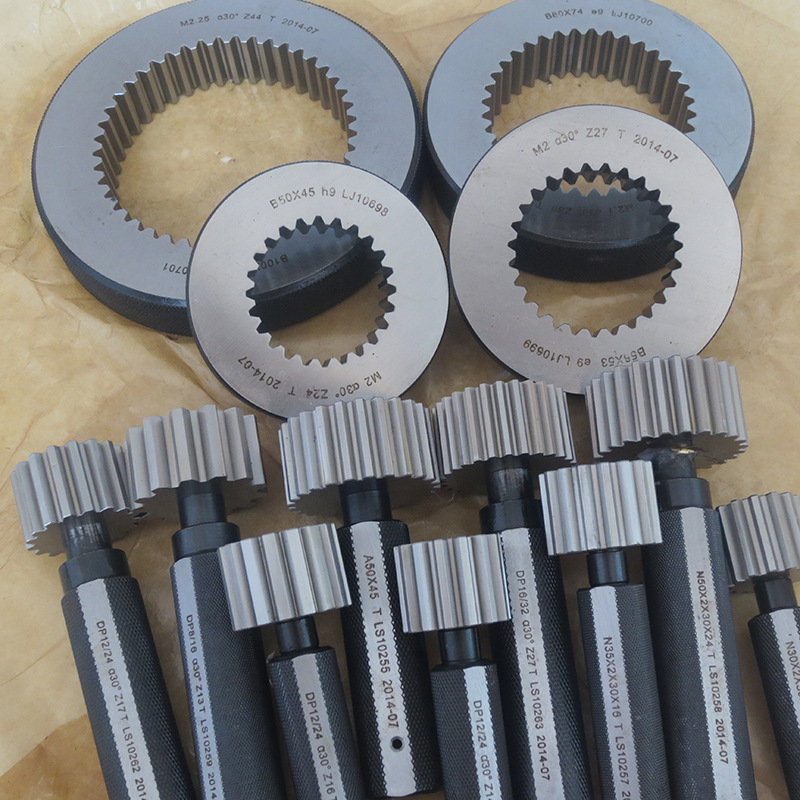
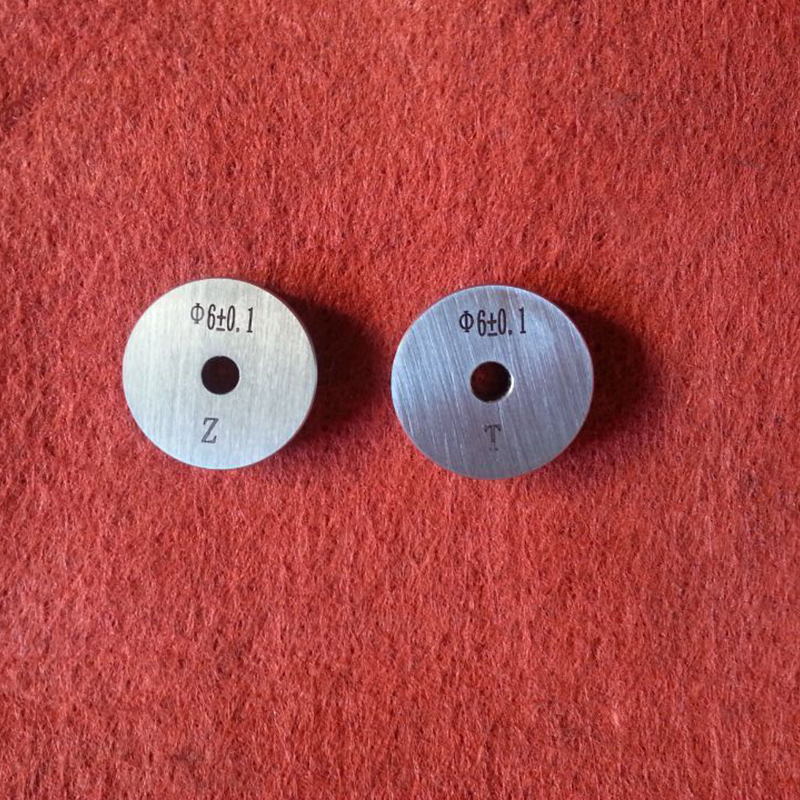
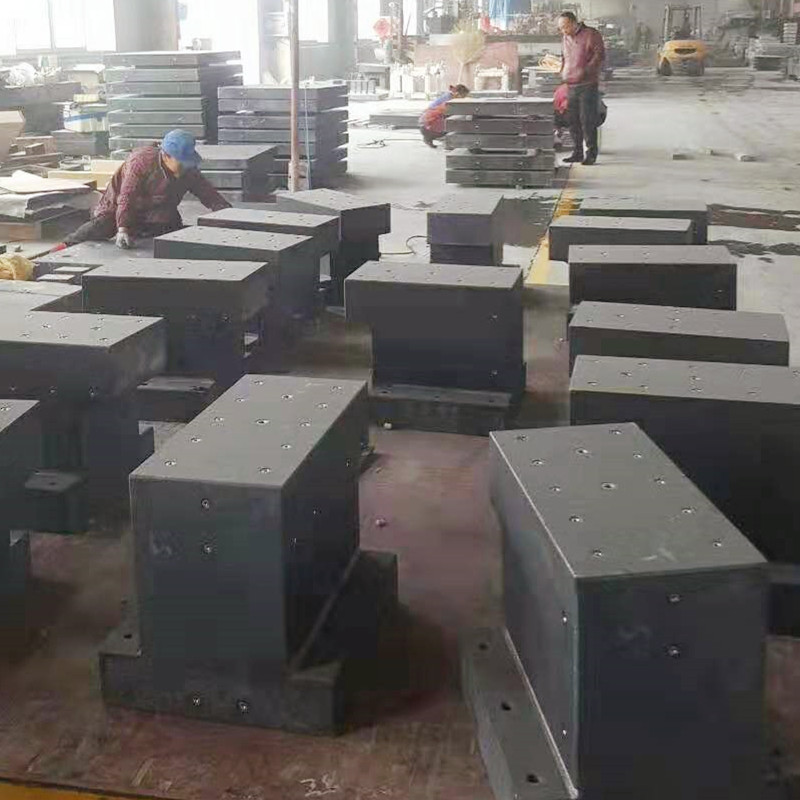
In the exacting world of industrial measurement, where precision and durability are non-negotiable, professional grade micrometer tools play a pivotal role. Storaen (Cangzhou) International Trading Co. understands the critical need for measurement instruments that can endure the rigors of frequent use while maintaining accuracy. Our measuring micrometer are crafted with meticulous attention to detail, leveraging advanced materials and engineering techniques to resist wear, ensuring consistent performance and reliability across diverse applications. Storaen (Cangzhou) International Trading Co.'s Dedication to High-Quality Micrometer Tools Storaen (Cangzhou) International Trading Co., situated in Botou, China, has long been a trusted name in the supply of industrial tools. Our commitment to excellence drives us to produce micrometer tools that meet and exceed industry standards. With a team of skilled engineers and a state-of-the-art manufacturing facility, we focus on using the finest materials and the latest manufacturing processes. Whether it's a measuring micrometer for precise individual measurements or a comprehensive micrometer set for a wide range of tasks, we ensure each product offers superior wear resistance and long-term accuracy. Product Name Height gauge granite base ratio measuring platform micrometer spial Dial gauge Material Granite Color nature Precision 00grade OEM yes Density 2970-3070kg/Cubic metre compressive strength 245-254N/m compressive strength less than 0.13% Coefficient of linear expansion 4.61*10-6/ degree Application Detection component The Superior Design of Measuring Micrometer for Wear Resistance Our measuring micrometer stands out for its design that prioritizes wear resistance. The body of the micrometer is constructed from high-strength materials, providing robust protection against impacts and scratches that can occur during regular handling. The measuring surfaces are carefully treated and finished to enhance their hardness, reducing the likelihood of abrasion even when in contact with rough materials. The precision screw mechanism, a crucial component, is engineered for smooth operation over extended periods, minimizing wear and tear and ensuring consistent and accurate measurements throughout its lifespan. Measuring Range Precision Grade Base Length Base width Base High Bar height Arm length 100*150mm 0.002 00 150 100 50 250 140 150*150mm 0.002 00 150 150 50 250 140 200*150mm 0.002 00 200 150 50 300 140 300*200mm 0.002 00 300 200 50 300 180 400*300mm 0.002 00 300 300 50 300 180 600*400mm 0.002 00 400 300 50 300 180 Key Features of Micrometer Set for Professional Use The micrometer set from Storaen (Cangzhou) International Trading Co. is tailored for professional users. Each set includes various micrometers with different measuring ranges, all maintaining the same high standards of quality and wear resistance. The sets come with sturdy protective cases that keep micrometers organized and shield them from dust, moisture, and accidental damage when not in use. The micrometers in the set feature ergonomic designs for comfortable handling during extended use. Their components are made from corrosion-resistant and wear-resistant materials, ensuring reliable performance in professional workshop environments. Micrometer Tools FAQS How do your micrometer tools maintain accuracy while resisting wear? Our micrometer tools maintain accuracy during wear resistance through a combination of high-quality materials and intelligent design. The measuring surfaces are made from wear-resistant materials that retain their flatness and precision over time. The internal screw mechanisms are precision-engineered and lubricated to reduce friction, preventing premature wear and ensuring smooth, accurate measurements even after extensive use. This careful balance of materials and design ensures that our micrometer tools deliver consistent accuracy in professional settings. Can the measuring micrometer be used in harsh working environments? Yes, our measuring micrometer is designed to perform well in harsh working environments. Constructed from robust materials, it can withstand exposure to dust, moisture, and temperature fluctuations without significant degradation. The measuring surfaces are treated to resist corrosion and abrasion from rough or chemically reactive materials. Additionally, the overall construction of the micrometer is designed to prevent the ingress of debris, ensuring its functionality and accuracy are maintained even in the most challenging workshop conditions. What maintenance is required for the micrometer set? Maintaining our micrometer set is relatively straightforward. Regular cleaning to remove dust, metal shavings, and other debris is essential to keep the measuring surfaces and screw mechanisms in optimal condition. Periodic lubrication of the screw threads, as per the provided guidelines, helps ensure smooth operation and reduces wear. Storing the micrometers in their protective cases when not in use further safeguards them from potential damage. With proper care and maintenance, the micrometer set can continue to provide accurate measurements and resist wear for an extended period. Are our micrometer tools suitable for measuring soft materials? Our micrometer tools are versatile and suitable for measuring soft materials. The measuring surfaces are designed to apply gentle pressure, preventing damage to soft materials while still providing accurate readings. The precision of our micrometers allows for fine adjustments, ensuring that even delicate and soft components can be measured with precision. Whether it's measuring the thickness of rubber gaskets or the dimensions of soft plastics, our micrometer tools offer the reliability and accuracy needed for such applications. How do the wear-resistant features of our micrometer tools compare to others in the market? Our micrometer tools excel in wear resistance compared to many others on the market. Our use of premium materials, advanced manufacturing techniques, and meticulous quality control processes ensures that our tools offer superior durability. The measuring surfaces are treated with state-of-the-art methods to enhance their wear resistance, and the overall design is optimized for long-term performance. This focus on quality and innovation makes our micrometer tools a top choice for professionals who demand reliable, long-lasting measurement solutions.
about
large light up makeup mirror
Understanding Pressure Control Valves A Key Component in Fluid Systems Pressure control valves play a crucial role in fluid systems, ensuring that the pressure within piping networks remains within designated limits. These valves are integral to various applications, including water treatment facilities, chemical processing, and HVAC systems. In this article, we will explore the working principles, types, and applications of pressure control valves, highlighting their importance in maintaining system efficiency and safety. What is a Pressure Control Valve? A pressure control valve (PCV) is a mechanical device used to modulate the pressure of fluids within a system. By automatically adjusting the flow rate of the fluid, these valves ensure that the pressure does not exceed or fall below the desired setpoint. This capability makes them essential for protecting equipment, enhancing efficiency, and ensuring safe operations. How Do Pressure Control Valves Work? The operation of a pressure control valve is relatively straightforward. These valves can be categorized into two primary functions pressure relief and pressure regulation. 1. Pressure Relief Valves These valves are designed to release excess pressure from the system. When the fluid pressure exceeds a specified threshold, the valve opens, allowing fluid to escape, thereby preventing damage to pipes and equipment. Once the pressure drops to acceptable levels, the valve automatically closes, restoring normal system conditions. 2. Pressure Regulating Valves Unlike relief valves, pressure regulating valves maintain a constant downstream pressure despite fluctuations in upstream pressure or flow rates. They achieve this by adjusting the valve opening in response to changes in pressure. When downstream pressure drops, the valve opens more to allow additional fluid flow; conversely, when the pressure is too high, the valve closes to restrict flow. Types of Pressure Control Valves Pressure control valves come in various designs, each suited for specific applications. Some of the most common types include - Spring-Loaded Valves These valves use a spring mechanism to provide the necessary force to open or close the valve in response to pressure changes. They are widely used in both pressure relief and regulation applications. pressure control valve - Pilot-Operated Valves These valves utilize a smaller pilot valve to control the opening and closing of a larger main valve, allowing for more precise control over the system pressure. They are particularly useful in high-pressure applications. - Electronic Valves With advancements in technology, electronic pressure control valves have emerged . These valves use sensors and actuators to provide real-time pressure regulation, allowing for more sophisticated and responsive pressure management. Applications of Pressure Control Valves Pressure control valves are used in a wide range of industries, including - Water and Wastewater Treatment PCVs ensure that pressure levels are maintained in treatment plants and distribution systems, safeguarding against system failures and ensuring effective water delivery. - Chemical Processing In chemical manufacturing, precise pressure control is often critical to ensure safety and product quality. PCVs help manage the pressure of various processes, preventing hazardous conditions. - Oil and Gas In the oil and gas industry, pressure control valves regulate the pressure in pipelines and processing facilities, preventing leaks and ensuring safe operations. - HVAC Systems In heating, ventilation, and air conditioning systems, PCVs help maintain optimal pressure levels, contributing to energy efficiency and system reliability. Conclusion In conclusion, pressure control valves are indispensable tools for managing fluid systems across diverse industries. Their ability to regulate and relieve pressure enhances operational safety, increases efficiency, and protects critical equipment from failure. As technology continues to evolve, the design and functionality of pressure control valves will likely become even more advanced, driving improvements in fluid management and system design. Understanding their importance and operation is essential for professionals working in fields involving fluid dynamics and process engineering.
-

High quality industrial productsagement

High quality industrial products
View Details -

Meet the diverse needs of customers

Meet the diverse needs of customers
View Details -

Strict quality control

Strict quality control
View Details -

Top raw materials

Top raw materials
View Details -

Trusted supplier

Trusted supplier
View Details
Our application


news and information
water pressure reduction valve
The world of plumbing often seems straightforward until issues like high water pressure disrupt your
water shut off valve
Understanding Water Shut-Off Valves A Homeowner's Guide Water shut-off valves are an essential compo
Welding and Fabrication Techniques for Efficient Metal Assembly and Construction
Understanding the Welding Fabrication Table A Comprehensive Overview Welding fabrication tables play
 English